 Save
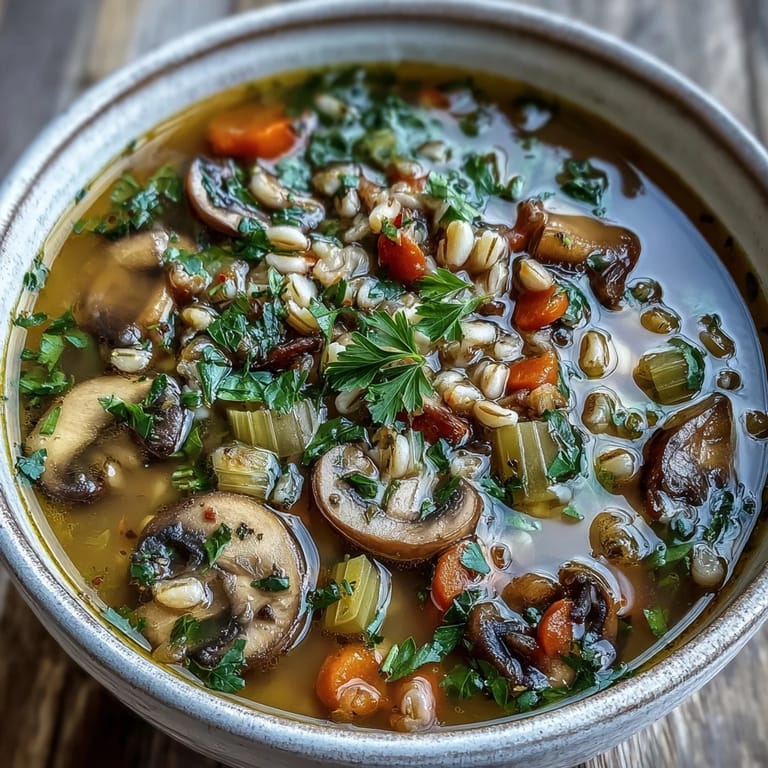
Save There's something about the smell of mushrooms hitting hot oil that makes me pause whatever I'm doing. Last autumn, I was standing in my kitchen on a gray afternoon, feeling a bit restless, when I decided to throw together whatever vegetables were lingering in my crisper drawer. That's how this mushroom and barley soup came to be, though it took a few tries to understand that the real magic happens when you let those mushrooms release their deep, earthy moisture into the broth. Now it's become my go-to soup whenever I want something that feels both nourishing and completely unpretentious.
I made this for my neighbor when she was recovering from a cold, and the way she asked for the recipe while still sitting on her couch told me everything I needed to know. She later told me it was the first thing that felt warm and filling in days, and somehow that moment made me understand why comfort food matters so much. It's not just about being full, it's about feeling cared for in a tangible way.
Ingredients
- Olive oil: Use a good quality one you actually like tasting, because this is where flavor starts and there's nowhere for it to hide.
- Onion, garlic, carrots, and celery: These form the sweet, aromatic base that carries the whole soup, so don't skip the step of letting them soften together first.
- Mushrooms: Cremini or button mushrooms work best because they release moisture and develop that deep umami flavor without getting too watery; slice them thickly enough that they don't disappear into nothing.
- Dried thyme and oregano: These give you that European comfort without any fussiness, though you could swap in Italian seasoning if that's what you have.
- Pearl barley: Always rinse it first to remove the starch, which keeps the broth clearer and the texture more pleasant; it plumps up beautifully as it cooks and gives the soup real substance.
- Vegetable broth: This is your canvas, so use one you'd actually drink on its own or the whole soup will taste thin and forgettable.
- Bay leaf: One is enough to whisper flavor into the pot without announcing itself.
- Salt, pepper, and lemon juice: Season at the very end because the barley continues to absorb liquid and salt concentrates as the soup sits.
Tired of Takeout? 🥡
Get 10 meals you can make faster than delivery arrives. Seriously.
One email. No spam. Unsubscribe anytime.
Instructions
- Start with the aromatics:
- Pour your olive oil into a large pot over medium heat and let it warm until it's almost shimmering, then add the chopped onion and listen for that gentle sizzle. You want it to turn translucent and slightly golden around the edges, about 3 minutes, which means you're building flavor from the very beginning.
- Layer in the softer vegetables:
- Once the onion is ready, stir in the minced garlic, diced carrots, and celery, and let them cook together for about 5 minutes, stirring occasionally so they soften without catching on the bottom. You'll notice the vegetables start releasing their moisture and the kitchen smells like you're making something intentional.
- Cook the mushrooms until they give:
- Add your sliced mushrooms and let them have their moment, cooking for 6 to 8 minutes until they've released their liquid and the edges start to brown. This is where patience pays off, because you're essentially concentrating their flavor before everything else gets added.
- Season the vegetables:
- Sprinkle in the thyme and oregano while everything is still hot and stir it through, letting the dried herbs bloom in the oil for just a moment. It's a small step that makes a real difference.
- Add the barley and broth:
- Pour in your rinsed barley, vegetable broth, and bay leaf all at once, stir everything to combine, and watch the liquid come together. You'll see the barley settling and the whole pot starting to look like soup rather than a pile of vegetables.
- Let it simmer until the barley is tender:
- Bring the soup to a boil, then turn the heat down to low and simmer uncovered for 35 to 40 minutes, stirring every 10 minutes or so to make sure nothing sticks. The barley will gradually soften and the broth will thicken slightly from the starch it releases, and you'll know it's done when you can easily bite through a grain without any crunch.
- Season and serve:
- Fish out the bay leaf with a spoon, then taste and season with salt, pepper, and a splash of lemon juice if you want brightness. Ladle it into bowls and scatter fresh parsley on top if you have it, though honestly the soup is perfect on its own.
 Save
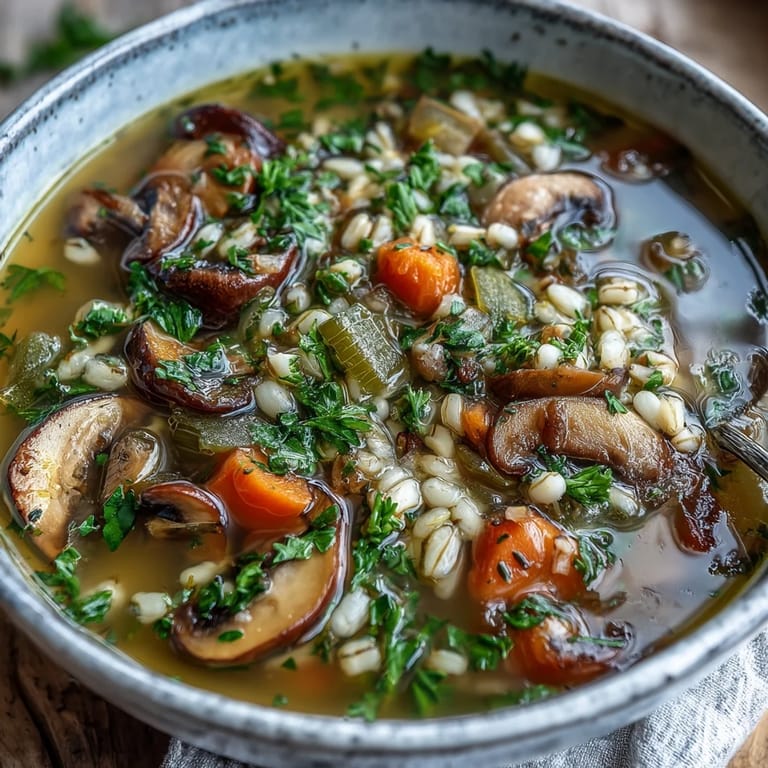
Save There was a moment when my 6-year-old tried a spoonful without being asked and then asked for more, and I realized this soup had crossed some invisible line from food I made to food that mattered. That's when comfort food stops being about recipes and starts being about belonging.
Why This Soup Works in Any Season
In winter, it's pure warming sustenance, the kind of thing that makes you want to stay home. But I've also made it on spring evenings when the weather turned cool unexpectedly, and it felt equally right, like the soup adapts to what you actually need instead of what the calendar says. Summer? Add some fresh lemon juice and eat it slightly cooler, and somehow it becomes something else entirely while remaining unmistakably itself.
The Beautiful Thing About Leftovers
This soup genuinely tastes better on day two, which is something I've learned to appreciate about cooking in general. The flavors settle and deepen, the barley absorbs more broth and becomes even more tender, and you get to experience the meal twice without any of the work the second time around. Store it in an airtight container in the refrigerator and it will keep for up to 4 days, though mine has never lasted that long.
Ways to Make It Completely Your Own
The base of this soup is flexible enough that you can build it differently depending on what's in your kitchen or what your body is asking for. Add diced potatoes or chopped kale in the last 15 minutes if you want something heartier, or stir in a tablespoon of soy sauce with the broth if you want deeper umami notes. A squeeze of lemon juice at the end brings brightness that makes the whole bowl feel alive, though some people prefer it without and that's equally valid.
- If you have fresh herbs instead of dried, use about three times the amount and add them in the last few minutes so they don't lose their vibrancy.
- A splash of balsamic vinegar at the end adds complexity without making the soup taste like vinegar.
- Mushroom broth instead of vegetable broth takes this from good to genuinely unforgettable.
 Save
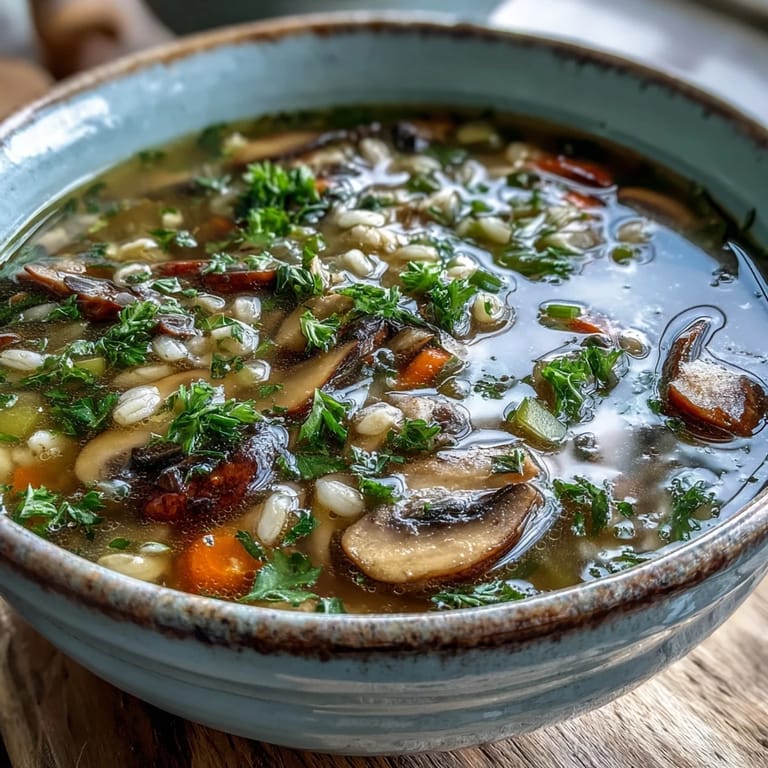
Save This soup is the kind of cooking that reminds you why spending time in the kitchen matters, not because it's complicated, but because it's genuinely nourishing. Make it when you need comfort, when you're cooking for someone else, or when you just want your kitchen to smell like home.
Recipe FAQs
- → How long does it take to cook pearl barley?
Pearl barley typically simmers for 35-40 minutes until tender. The grains will absorb liquid and slightly thicken the soup as they cook. Taste test to ensure they're chewy but fully cooked before serving.
- → Can I make this soup ahead of time?
Absolutely. This soup keeps well refrigerated for up to 4 days and often tastes better the next day as flavors meld together. The barley will continue absorbing liquid, so add more broth when reheating if needed.
- → What mushrooms work best?
Cremini or button mushrooms are ideal for their earthy flavor and meaty texture. Portobello mushrooms add rich depth, while shiitakes bring extra umami. Mix varieties for complex flavor.
- → Is pearl barley gluten-free?
No, pearl barley contains gluten. For a gluten-free version, substitute with quinoa, buckwheat, or brown rice. Adjust cooking time accordingly and ensure your vegetable broth is certified gluten-free.
- → Can I freeze this soup?
Yes, freeze in airtight containers for up to 3 months. The barley may soften slightly upon reheating, so add fresh broth when warming. Thaw overnight in the refrigerator before reheating gently on the stove.