 Save
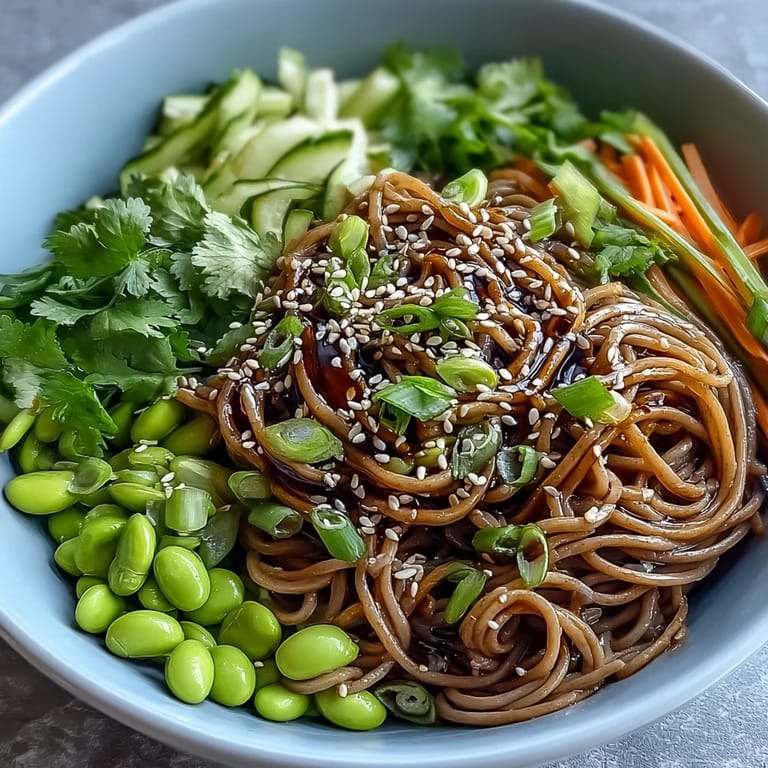
Save My coworker brought a chilled soba bowl to lunch one sweltering afternoon, and I watched her twirl those buckwheat noodles around her chopsticks with such ease that I knew I had to learn. What struck me wasn't just how it looked—those jewel-toned vegetables scattered across pale noodles—but how she described that first cool, nutty bite. Within a week, I was standing in my kitchen on a similarly hot day, discovering that this dish requires almost no real cooking talent, just good timing and a whisk.
I made this for my sister during her first week of a new job, and she ate it standing up in my kitchen while telling me about her day. She went back to the fridge three times that evening for more dressing, and I realized then that this bowl had transcended being just a recipe—it became the thing she requested whenever she needed something grounding and real.
Ingredients
- Dried soba noodles (250 g): These buckwheat beauties have a subtle earthiness that regular pasta can't touch, and rinsing them cold after cooking keeps them from clumping into a solid mass.
- Shelled edamame (1 cup, fresh or frozen): The brightness of these little beans matters more than you'd think—they add both protein and a pop of color that makes the bowl feel complete.
- Cucumber (1 medium, julienned): This is your coolness factor and texture contrast; a mandoline makes quick work of it if you have one, though a sharp knife and patience work just fine.
- Carrots (2 medium, peeled and julienned): I learned to julienne these before anything else so they don't dry out sitting on the cutting board, which changes the crunch factor entirely.
- Scallions (2, thinly sliced): Use both white and green parts; the white adds a sharper bite while the green brings a fresh, almost grassy finish.
- Toasted sesame seeds (2 tbsp): These are non-negotiable for both flavor and that final textural satisfaction—buy them already toasted to save a step.
- Fresh cilantro or mint (1/4 cup, optional): Don't skip this if you can help it; it transforms the bowl from nice to memorable in a way that surprises people.
- Soy sauce or tamari (3 tbsp): This forms the umami backbone of your dressing, so use something you'd actually drink if you had to.
- Rice vinegar (2 tbsp): The acidity cuts through the richness and keeps everything bright; don't substitute here without tasting first.
- Toasted sesame oil (1 tbsp): A little goes a long way—this is the flavor secret, and regular sesame oil won't give you the same toasty depth.
- Tahini or smooth peanut butter (1 tbsp): This creates the creamy base that makes the dressing coat the noodles instead of just pooling at the bottom.
- Honey or maple syrup (1 tbsp): A touch of sweetness balances the saltiness and soy, making the whole thing feel intentional rather than sharp.
- Fresh ginger (1 tsp, grated): Grate it just before using; the difference between fresh and bottled is like comparing a handwritten note to a photocopy.
- Garlic clove (1 small, minced): One clove is enough to whisper its presence without shouting—more than that and you'll overpower everything else.
- Water (1 tbsp, for thinning): Keep extra on hand because tahini varies in thickness, and you want a dressing that flows but doesn't run.
Tired of Takeout? 🥡
Get 10 meals you can make faster than delivery arrives. Seriously.
One email. No spam. Unsubscribe anytime.
Instructions
- Boil your soba in salted water:
- Follow the package time—usually around 4 to 5 minutes—and don't wander off or you'll end up with mush. The moment it's tender, drain it into a colander and run it under cold water while stirring gently with a fork to keep the strands from sticking.
- Get the edamame into hot water:
- A quick 2 to 3 minute blanch in already boiling water is all these need; they'll stay bright green and firm rather than turning that dull, overcooked shade. Drain them and let them cool while you handle the vegetables.
- Make your dressing by whisking everything together:
- In a small bowl, combine the soy sauce, vinegar, sesame oil, tahini, honey, ginger, and garlic—whisk steadily until it's smooth and emulsified. If it seems too thick, add water a teaspoon at a time and taste as you go, because the noodles will absorb some of the liquid as they sit.
- Prepare all your vegetables at once:
- Julienne the cucumber and carrots so they match in size and cook evenly (this also means they look intentional on the plate), then slice your scallions and set everything in separate little piles. Having everything prepped before assembly means you won't be standing there with wet hands looking for your knife.
- Toss the cooled noodles with half the dressing:
- In a large bowl, combine the noodles with half your dressing and turn them gently with two forks or your hands until every strand is coated. This prevents the noodles from tasting bland while leaving room for the drizzle of dressing you'll add at the end.
- Divide and layer everything into bowls:
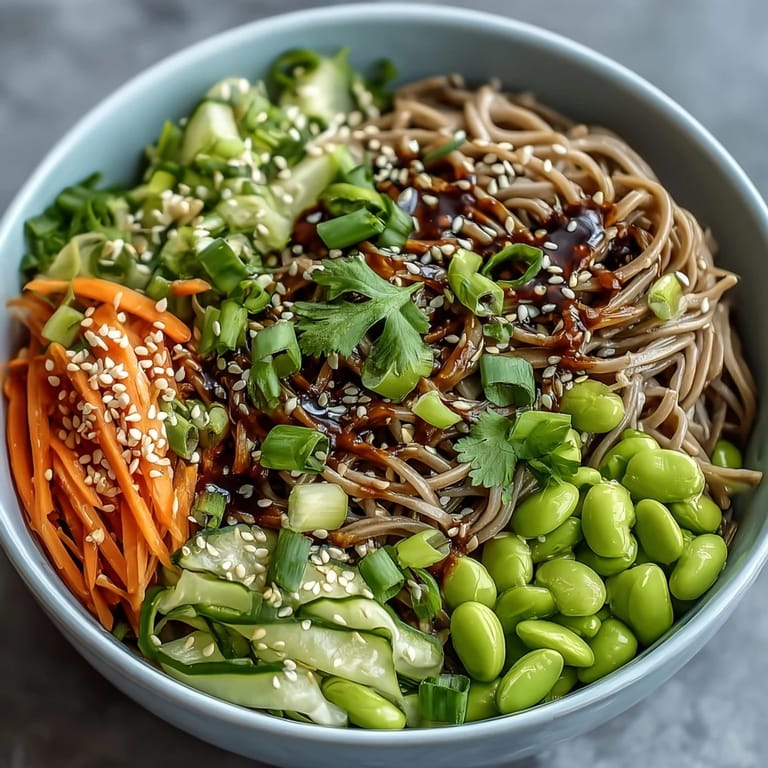
- Split the dressed noodles among four bowls, then crown each with the edamame, cucumber, carrots, and scallions in whatever arrangement feels right to you. This is where your bowl starts to look like something you'd actually want to photograph, which matters because we eat with our eyes first.
- Finish with sesame seeds, herbs, and the remaining dressing:
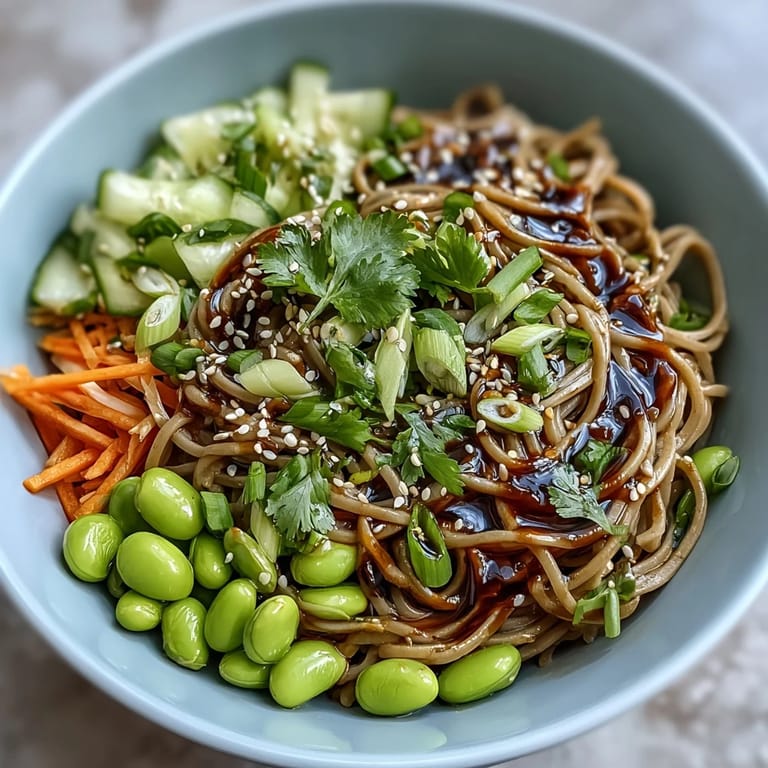
- Sprinkle the toasted sesame seeds and fresh cilantro or mint across the top, then drizzle the rest of your dressing over everything. Serve immediately while the noodles are still cool and the vegetables still have their snap.
 Save
Save There was a moment last summer when my neighbor came over for dinner and took a bite of this bowl with her eyes closed, just breathing in the sesame smell. That's when I understood that food sometimes isn't about being complicated or impressive—it's about creating a pause in someone's day where they actually taste what they're eating.
Building Your Perfect Bowl
The architecture of this bowl matters more than you might think. I used to dump everything in randomly, but I discovered that keeping the noodles in the center and arranging vegetables around the edges means every bite has the right proportion of noodle to crunch. It's also just prettier that way, and there's something satisfying about taking the time to lay things out intentionally instead of treating assembly like a race.
Making It Your Own
This bowl is genuinely flexible, which is probably why I keep making it. I've swapped snap peas for cucumber in spring, added shredded red cabbage for more color in winter, and once threw in some thinly sliced radishes when I was out of other vegetables—and honestly, it was better. The dressing is forgiving enough that you can push it in different directions: more ginger if you like heat, extra sesame oil if you're feeling luxurious, a squeeze of lime juice if you want brightness.
Timing and Make-Ahead Options
Here's what took me a few tries to figure out: you can cook the noodles and blanch the edamame hours in advance, and you can even make the dressing the night before. What you cannot do is dress the noodles too early because they'll absorb liquid and lose their individual character, turning into a dense mass by dinner time. I now prep everything except the final assembly, which means I can have dinner on the table in five minutes flat once people actually sit down.
- Keep dressing in a separate container with a little note about when it was made, because sesame oil can separate after sitting overnight.
- If you're making this for meal prep, dress only the portion you're eating that day and keep the rest of the noodles and vegetables separate.
- Transport it in layers in a container if you're bringing it somewhere—noodles on bottom, vegetables on top, dressing in a tiny jar on the side.
 Save
Save This bowl has become my answer to the question of what to make when I want something that feels nourishing but doesn't require me to spend my entire evening in the kitchen. It's the kind of meal that reminds you why you love cooking in the first place.
Recipe FAQs
- → What makes soba noodles unique?
Soba noodles are made from buckwheat flour, giving them a nutty flavor and chewy texture. They're traditionally served cold or hot in Japanese cuisine and cook quickly, making them perfect for weeknight meals.
- → Can I make this gluten-free?
Yes. Look for 100% buckwheat soba noodles and substitute tamari for the soy sauce. Double-check labels since some brands blend buckwheat with wheat flour.
- → How do I prevent soba noodles from sticking?
Rinse the cooked noodles thoroughly under cold water immediately after draining. This removes excess starch and keeps them separate. Tossing with a bit of sesame oil also helps.
- → What vegetables work best in this bowl?
Julienned cucumber and carrots provide crunch and color. You can also add snap peas, bell peppers, radishes, or shredded cabbage for variety and texture contrast.
- → How long does the sesame dressing keep?
The dressing stays fresh in an airtight container in the refrigerator for up to one week. Whisk again before using as the tahini may settle.
- → Can I serve this warm instead of cold?
Absolutely. While refreshing served chilled, you can also toss the warm noodles with the dressing immediately after cooking for a comforting warm bowl.